A recent post on X sparked a thought-provoking discussion: Did the depravity and hedonism of 1920s Berlin pave the way for the rise of the Nazi movement in Germany? While it’s impossible to attribute such a complex historical event to a single cause, my history study suggests that extreme moral decadence often leads to societal “over-corrections.”
When a society indulges excessively in hedonism, sexual depravity, and exploitation, it begins to destabilize. This instability opens the door for necessary corrections. Societies, like all complex systems, strive for equilibrium. If they fail to self-correct through the leadership of cultural and political figures, they will inevitably do so through conflicts and upheavals.
Certain moral principles are universally valued across societies: honesty and truthfulness, integrity, respect for human dignity, compassion and concern for others’ well-being, fairness and justice, and responsibility and accountability for one’s actions. A common thread among these principles is self-control. Without self-control, societies descend into chaos.
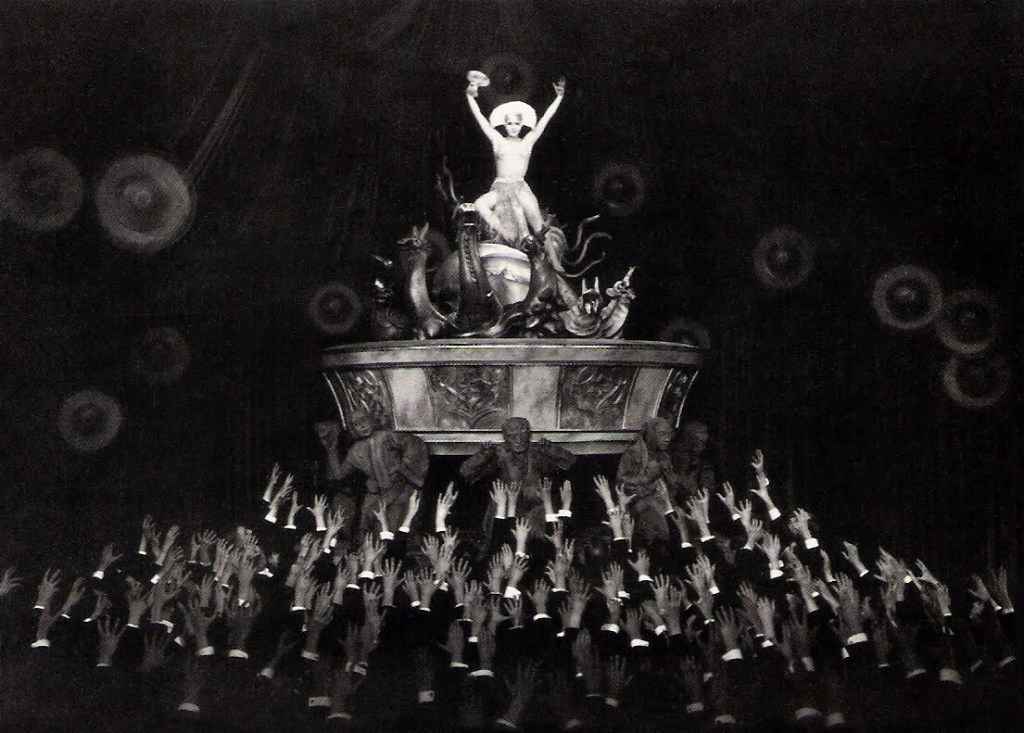
Berlin in the 1920s serves as a stark example. The city’s descent into debauchery and depravity was shocking. Even when consensual, many acts violated these fundamental principles.
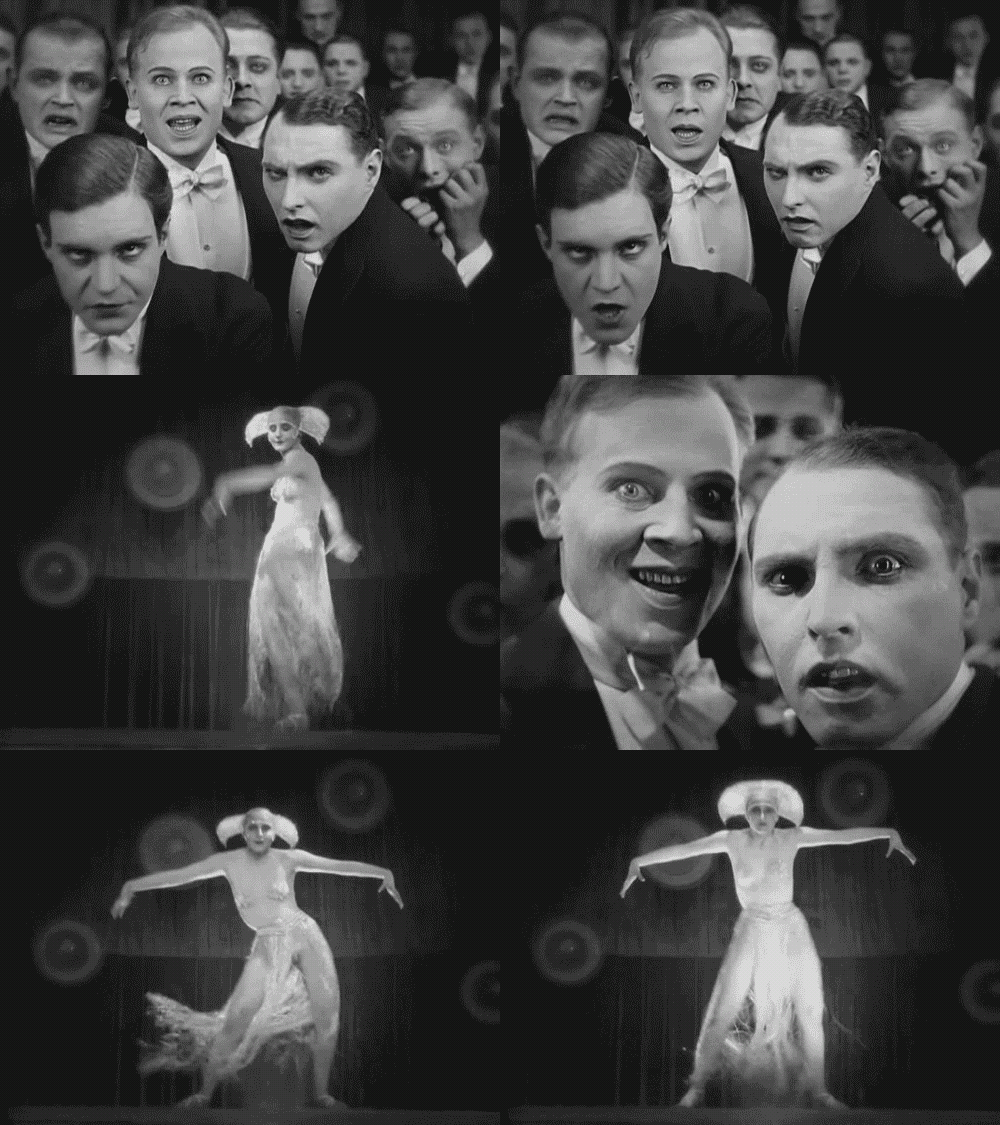
Prostitution and other sexual fetishes, even when practiced by consenting adults, can pose serious threats to society, culture, and the individuals involved. These practices can lead to exploitation, abuse, and trauma and exacerbate pre-existing mental health issues. Participation in such activities can result in addiction, unhealthy coping mechanisms, social stigmatization, difficulty forming healthy relationships, and the destruction of the family unit.
While consenting adults have the right to engage in sexual practices of their choice, we must consider the potential psychological, emotional, and societal consequences, especially for vulnerable individuals with mental health issues.
Ultimately, self-control and adherence to moral principles are paramount for the stability and success of any society. Without them, we risk repeating past mistakes, inviting turmoil into our lives, and destroying our societies.
 CYBERTONIA