When reading any history book that covers the rise of Nazi Germany it is often too tempting to find parallels with what happened in Germany with what is happening in the world today. During the first Gulf War historians, journalist, and pundits all compared Hussain’s march into Kuwait to that of Hitler’s mark into the Rheinland and later Poland. After 9/11 the Left in American and Europe considered the Bush administration and many of its actions to those of a neo-fascist movement and lots of comparisons to Nazi’s and Hitler were the norm. And recently Trump and his wink, wink, nod, nod, to far right groups and his complete vomit-like handling of the Charlottesville incident have reassured many that we have a neo-fascist/Nazi sympathetic administration. But history and the present are both a lot more complicated than simple brush strokes of comparisons and contrasting.
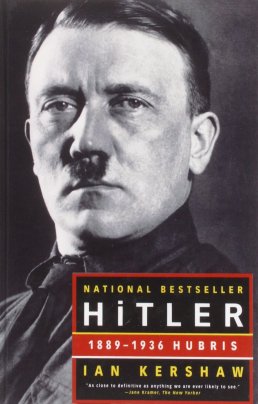
Ian Kershaw’s first volume (of two), Hitler: 1889-1936 Hubris, is the best book Ive read on the subject of Hitler and the Nazi party’s rise to power in the Weimar Germany. While the first third of the book is focused on what is known about the despotic leader and his early life. The rest of the book does a great job at weaving the personal side with his rise in the party and then as a politician. What is most revealing about this take of history is all the side issues taking place in Germany, specifically the role the Communist, other right wing groups, elected powers, and outside forces played in paving the way to Nazi rule.
Anyone sensitive to politics will see our times repeating Germany’s error from 90 years ago. But this is the trap that gets us to repeat the same mistakes. Its been said that history does not repeat itself, but that it does rhyme (this quote has been attributed to too many people to know who actually said it). I agree with this observation. I don’t think Trump even comes close to being a Hitler. Trump has no convictions, while Hitler was all convictions. Trump is a caricature of American society, while Hitler was a manifestation of a portion of German society that was at a boiling point…there were at least half dozen other men like him, spewing his hate, at that time. (Traveling back in time and killing Hitler would only make way for another despot in waiting). So if we are not repeating history, what is it that is rhyming?
The collapse of the Weimar Republic was made complete because the Nazis, along with the the Communist, managed to discredit the institutions of government. Kershaw’s account is invaluable in making this case. And the rhyming with our times comes by way of the complete and utter discreditation our institutions are having at the hands of this Administration. But before we get too giddy about how Trump has been systematically destroying our countries institutions, lets remember there has been a regular discreditation of our institutions from administration to administration. I will list a few examples:
- FBI: From the siege at Waco in the 90’s to the harassment of Richard Jewel.
- CIA: the complete debacle of the weapons of mass destruction chapter.
- The 2008 financial crisis where no one served a single day in jail for destroying the American economy – no, they got their bonuses thanks the Tim Geithner — paid for by the US tax payer.
- The rollout of Obama care where after millions of dollars spent nothing worked.
To many of his supporters Trump was, in many ways, a response to the above, and many other moments of discreditation. But while we have had many of these moments throughout our history sitting presidents (and those coming after) have made an effort to correct matters because they understand the importance of the American people having confidence in their government and its institutions. And this is where Trump fails miserably.
In Kershaw’s account the Nazi’s were working to discredit the institutions as part of their strategy to gain power. Trump’s approach lacks any strategy, he’s simply incompetent. As a result, he is not the one we need to fear. The person we will need to fear is not on center stage yet — the setting is being prepared for him/her. Much the way the setting for Hitler and his men was set by the incompetencies of the people that came before him.
Hitler: 1889-1936 Hubris is a well thought and composed narrative of history that avoids the usual, simple minded, cliche’s of “Hitler was a jew,” or “Hitler was gay,” or “it was the treaty of versailles that led to Hitler.” Instead, Kershaw outlines and explains all the forces at play that in some ways through chance, incompetence, or on purpose, created the perfect setting for one of the most disgusting periods in human history to come to life.


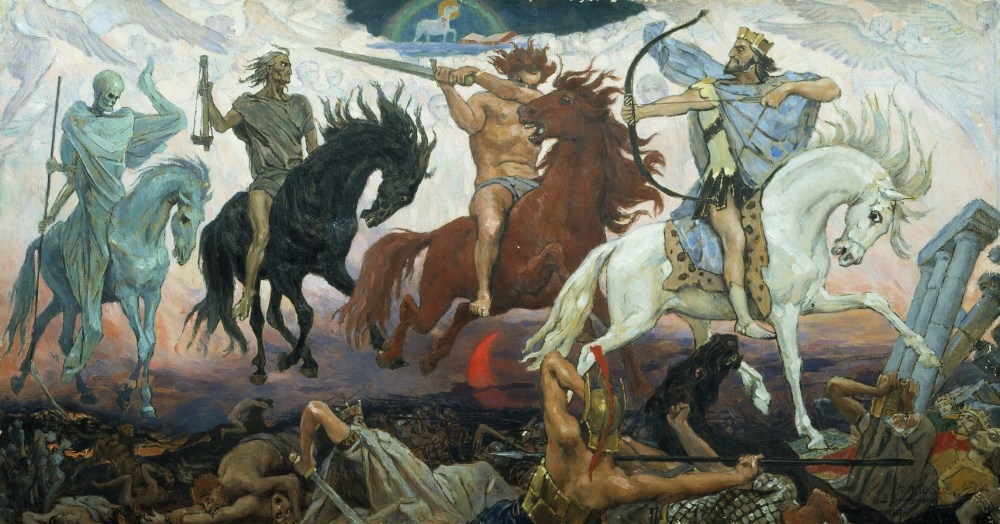
 the real problem with inequality but in contextualizes the problem. Scheidel makes a compelling argument that inequality has always been with us and that there are only four forces that level inequality effectively:
 CYBERTONIA