Thoughts on AI, Sanctions, and TikTok

This morning, I read an article from the Financial Times concerning the profitability of generative AI for major cloud providers like Azure, Google, and AWS. Although Microsoft’s Azure reported about four billion dollars in revenue from generative AI this year, Amazon’s and Google’s silence raises questions about the actual profitability after considering the substantial capital expenditures required to support these technologies. The profitability and long-term impact of generative AI on these companies’ bottom lines remain uncertain despite the industry’s optimism.

Additionally, I read about the ongoing sanctions against Russia due to its actions in Ukraine. Contrary to some reports suggesting these measures are starting to significantly impact Vladimir Putin, I remain skeptical. With the war nearing its third year and Russia seemingly stronger and advancing, it’s hard to see the effectiveness of these sanctions. At times, it feels like some narratives in the media are more propagandistic than informative.

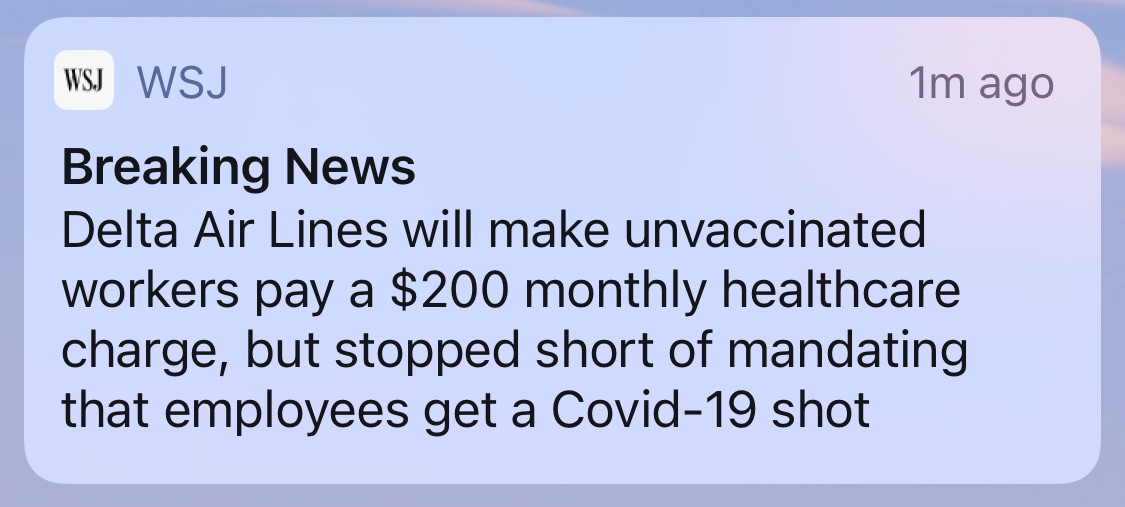
Lastly, I considered the implications of Congress’s ban on TikTok. As a libertarian, I’m inherently opposed to such governmental restrictions. The article highlighted the contrast between pragmatic and dictatorial approaches, particularly noting China’s selective pragmatism with companies like Tesla, and the U.S.’s shifting stance towards Chinese companies. This duality in policy underscores the complex dance of international relations and business.
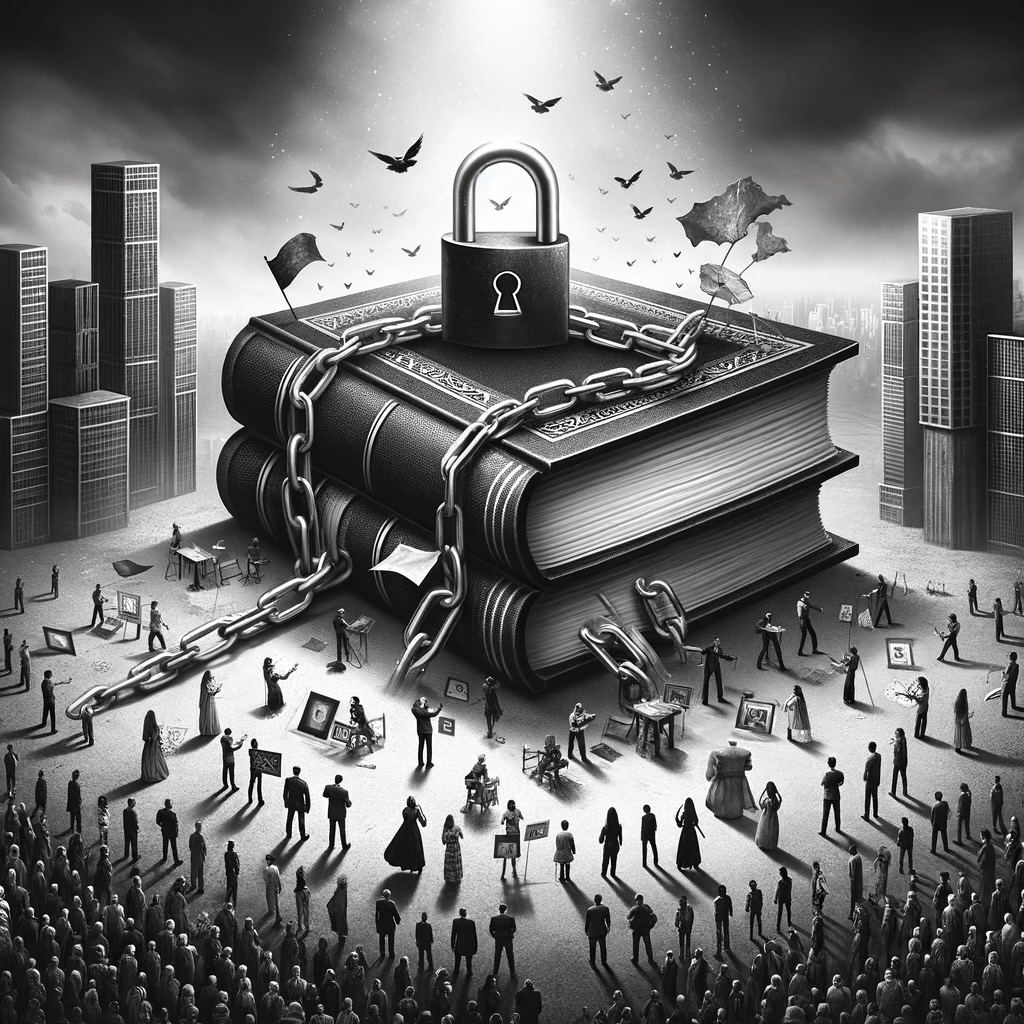
The Consequences of a Proxy War: A Critical Analysis of the West’s Role in Ukraine

Today, the Financial Times published an article titled “Russia Plotting Sabotage Across Europe, Intelligence Agencies Warn,” which struck me as fascinating and somewhat hypocritical. The tone of surprise in the article, as if the notion of Russia attempting sabotage is unfathomable, ignores the clear context: Europe is actively supporting Ukraine, Russia’s adversary. This isn’t just a regional conflict; it’s a proxy war where the stakes are high, and the repercussions are global.

The bewilderment displayed by Western media and governments appears disingenuous when considering the direct military and financial support flowing from Western capitals to Kyiv. With over 18 Leopard tanks, 100 MARDER infantry fighting vehicles, and nearly 30 billion euros committed by Germany alone, the scale of involvement is not trivial. It’s substantial and consequential.

Yet, as infrastructure sabotage incidents unfold across Europe — with individuals being charged and others caught in acts of sabotage — there remains a glaring omission in the dialogue: the sabotage of the Nord Stream Pipeline, widely accepted as a deliberate act by entities possibly including the United States and Ukraine. The reaction to this has been muted, especially compared to the loud condemnations and promises of repercussions aimed at Moscow.

This situation begs a critical reflection on the lack of peace dialogues. Why is there no substantial push for peace talks or negotiations? In the West, why are we not initiating a process to broker at least a ceasefire, if not a long-term peace agreement? The absence of these efforts is as much a failure of NATO and the United States as it is of Russia.

The human cost is staggering. A declassified U.S. intelligence report from December 2023 estimated that between 15,500 and 17,000 Ukrainian soldiers had been killed by that point, with countless civilians caught in the crossfire. Yet, the prevailing narrative often skirts these harsh realities, instead focusing on a one-dimensional portrayal of Russian aggression.

The quote from the article, “As ever with Russia, it is wise not to look for a single explanation,” misses the mark. In reality, the explanation is straightforward: the West is engaged in a proxy war, and Russia’s actions, though aggressive, are a mirror of what any state would do in retaliation. It is time for the West to acknowledge its role, take responsibility, and earnestly seek peace. Only through such efforts can we hope to spare further loss and resolve this devastating conflict.

AI and Copyright Law: Finding the Right Balance 

The recent lawsuit filed by The New York Times against OpenAI and Microsoft over its artificial intelligence system has brought the issue of copyright infringement by AI into focus. As someone who has fielded questions on this topic before, I believe this is fundamentally more a matter of copyright law than technology. This lawsuit will probably draw clearer distinctions between the two domains. 

Personally, I have never been a proponent of expansive copyright laws that seem to benefit large media companies at the expense of consumers and up-and-coming artists (writers, filmmakers, visual artists). The notion that any inspiration derived from published works constitutes infringement is particularly problematic to me. As a society, we are constantly exposed to and influenced by information around us, often in ways we don’t even realize or remember. Should fleeting inspiration really be grounds for legal consequences years later?

But the use of this technology also presents a possible existential crisis for the news industry, which has struggled to find ways to replace the revenue it once generated from its profitable print products.

Washington Post: New York Times sues OpenAI, Microsoft for using articles to train AI – https://bit.ly/3RXsGuO

I do believe AI developers should pay licensing fees to access certain content, just as any other business would. However, news publishers face revenue challenges tied to numerous industry changes, not just technological advancements. Declining public trust in polarized news coverage deserves as much scrutiny as any technological disruption when analyzing the media’s struggles — for an in-depth assessment of such problems, I recommend James Bennet’s piece in the Economist 1843 Magazine, “When the New York Times Lost Its Way.” 

Additionally, while publishers demand recompense when AI systems summarize their content, the same publishers do not pay any form of royalties to the victims featured in their true crime reporting, which certainly drives traffic to their sites. If we consider copyright principles comprehensively, such inconsistencies stand out. 

Questions around derivative works also illustrate the complexities of this debate. If fiction authors build on themes and characters from myths and legends in the public domain, should their works also lose copyright protection? Inspiration has murky borders that our legal framework is ill-equipped to navigate. 

There is no doubt AI systems raise copyright concerns that technology companies must address responsibly. However, as we balance those interests, we should be wary of arguments that may limit access to information mainly for those unable to pay. The early promise of the internet as an open repository of human knowledge relies on getting this balance right. Legal outcomes here will shape much more than profits.

Note: originally published as a LinkedIn article

Mirror, Mirror

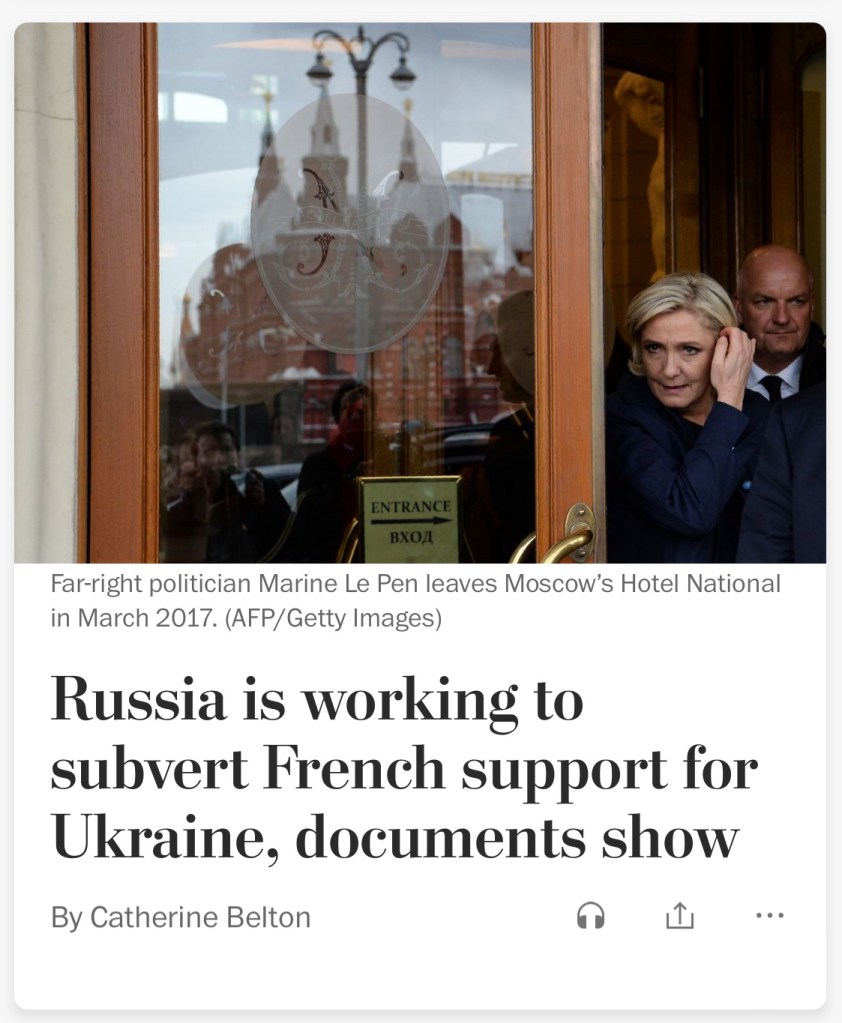
Washington Post, December 30th 2023

The West’s outrage at Russia’s political maneuvers reeks of hypocrisy. We’re quick to point fingers at Russia for trying to sway politics in Europe, but what have we been doing for decades? NATO expansion anyone? We’ve been playing the influence game for years, openly working to undermine adversaries.

The recent revelations about Jean-Luc Schaffhauser and Russia’s alleged propaganda efforts in France are just another day in the world of global politics. We’re fooling ourselves if we think only the “bad guys” play dirty. Everyone’s trying to get the upper hand, and Russia’s response is no surprise. They’re playing the same game, by the same unwritten rules we all seem to know but pretend don’t exist.

The Western media often paints a one-sided picture, but in the grand chessboard of international relations, every move has a countermove. It’s time we recognize this universal play for power and call out the hypocrisy on all sides.

This endless war cycle has to be broken before it breaks us. I wonder if it’s too late.

The State of Education and the Fight Over Homeschooling

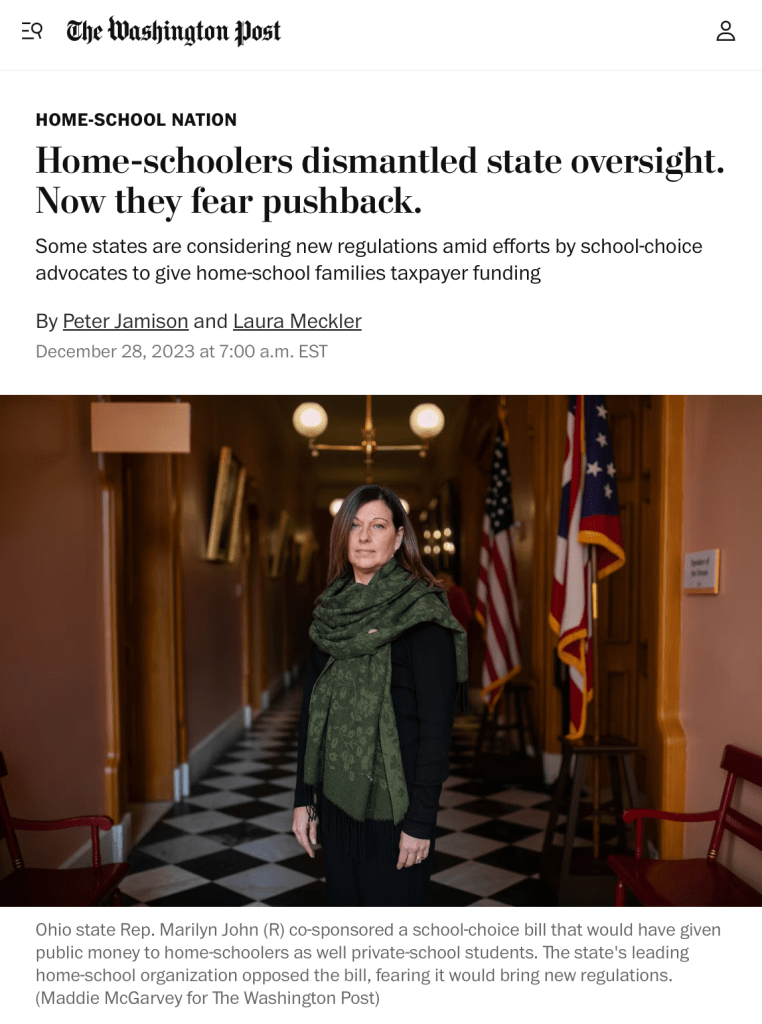
An article in today’s Washington Post titled “Home-schoolers dismantled state oversight. Now they fear pushback” covers the growing tension between homeschoolers and those opposed to it, as well as the government’s push to regulate and provide oversight. The long and short of this is simple – the state has failed miserably when it comes to our nation’s education system, and any push to regulate homeschooling is a sign of more of the same.

Our educational institutions have become centers of indoctrination of one ideology or another, with little to no true substantive educational value. Just look at some statistics on the reading proficiency of high school seniors:

  • According to the National Assessment of Educational Progress (NAEP), more than 60 percent of 12th grade students in the US scored below the proficient level in reading, and 27 percent scored below the basic level. This means our lowest-performing high school seniors do not even have partial mastery of grade-appropriate skills.
  • In 2015, only 72 percent of 12th graders performed at or above the basic achievement level in reading.
  • The average American reads at a 7th to 8th grade level.

These are abysmal facts, especially when you consider how much we spend on public K-12 education – $16,080 per pupil annually, for a total of $810 billion from federal, state and local governments.

Meanwhile, our school boards are more concerned about pronouns and bathroom policies than actual education. Do our kids even know what a pronoun is?

I was not a fan of homeschooling when my kids were young. But if they were elementary or middle school-aged today, I would do everything in my power to homeschool them.

The state needs to either stay out of the way of parents who care about their childrens’ education, or refocus on the basics – reading, math, actual science – not ideology or fads. Our kids deserve better than what public schools are providing today. If that means an expansion of homeschooling and independent oversight, so be it.

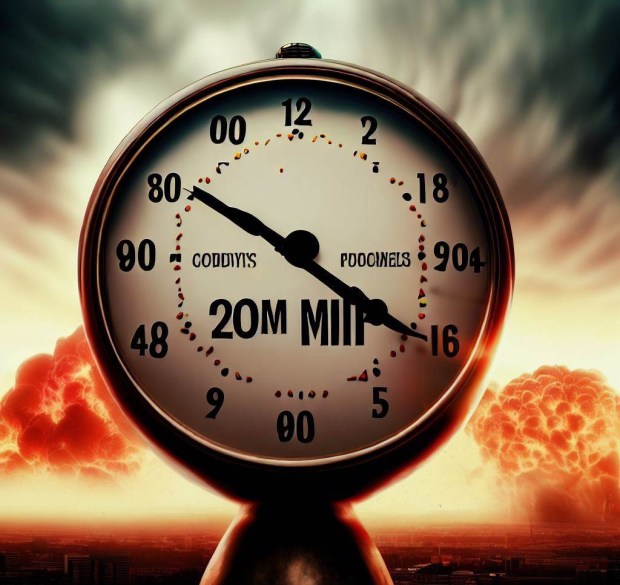
90 Seconds to Midnight

 In General H. R. McMaster’s book, Battlegrounds: The Fight to Defend the Free World, the general notes that the Korean War, a conflict, which claimed the lives of millions and left no clear victor, serves as a poignant reminder of the grim consequences of armed conflicts. As we grapple with the potential dangers of the ongoing Russia-Ukraine conflict, it becomes crucial to examine why we selectively remember and romanticize certain lessons from history while neglecting others.

McMaster’s book brings forth the staggering human cost of the Korean War, presenting a grim account of lives lost and shattered. The numbers are harrowing: nearly 10,000 Americans, 200,000 South Korean and United Nations soldiers, 400,000 North Korean soldiers, 600,000 Chinese troops, and a devastating toll of 1.5 million civilians. The combined death toll amounts to approximately 3 million individuals, all victims of a war that ended in a stalemate, with neither side able to claim outright victory.

These figures emphasize the profound futility of war. Lives were destroyed, families torn apart, and entire communities decimated, all without achieving a decisive outcome.

The war between Russia and Ukraine threatens the stability of the region but also poses an existential threat to humanity itself. Yet, despite its potentially catastrophic consequences, it is mind-numbing to witness how this conflict fails to capture the same level of attention and concern as other global issues such as climate change or identity politics.

Perhaps it is the allure of triumphant narratives or the desire to highlight tales of heroism and resilience that helps distract us from the horrific consequences of a head-on confrontation with Russia.  Ukrainian flag icons and Tweets of support allow us to outsource our decision-making to the experts. But the forgotten casualties, the shattered lives, and the irreparable damage inflicted on societies by these wars demand our attention and remembrance.

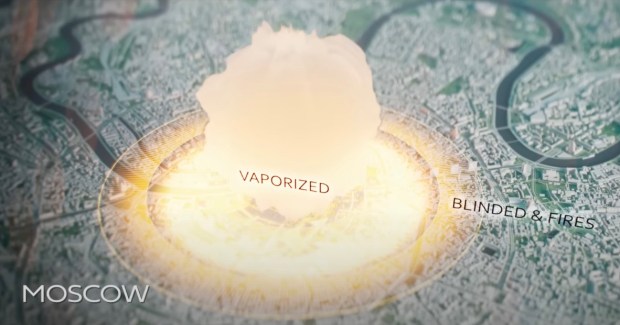
The Future of Life Institute has produced a sobering video on how a nuclear exchange between the nuclear powers – the United States and Russia – would unravel.  Our news organizations should be focused on delivering this message to our populations and not on being the propaganda parrots for the foolish policies of the current administration and the US Congress’ immoral support of said policies.

Arena

By © Ed Lederman/PEN American Center, CC BY 2.0, https://commons.wikimedia.org/w/index.php?curid=123127054

David Remnick’s, The Defiance of Salman Rushdie – The New Yorker, February 6, 2023 – is a masterful piece on the cowardly attack on the famed author of the Satanic Verses. The profile essay covers Rushdie’s humble beginnings and his defiant choice of living an open life in the face of a Fatwa for decades, and the fateful moments where his courage to live came head-on with the cowardice of a weakminded ideolog — almost costing him his life.

The attack is a reminder that free speech is not a motto but a way of life. We cannot allow laziness to hide behind offended feelings. We must sharpen our intellect for battling bad ideas.

Machines Risen

Photo by Somchai Kongkamsri on Pexels.com

Washington Post article on the use of AI in weapons systems. Well written and timely. But I feel that the concerns come too late. It is unlikely that the US or any other power will walk away from using AI in their weapons. Given the proliferation of AI systems, anyone that does will be at a disadvantage.

In March, a panel of tech luminaries including former Google chief executive Eric Schmidt, then-chief of Web services, now chief executive of Amazon Andy Jassy and Microsoft chief scientist Eric Horvitz released a study on the impact of AI on national security. The 756-page final report, commissioned by Congress, argued that Washington should oppose a ban on autonomous weapons because it would be difficult to enforce, and could stop the United States from using weapons it already has in its arsenal.

Washington Post: The U.S. says humans will always be in control of AI weapons. But the age of autonomous war is already here — By  Gerrit De Vynck

The key will be how tightly the protocols lead from one stage or escalation to another. If AI systems can make decisions that escalate into using powerful weapons of mass destruction, including nuclear, then we are fucked. There has to be a man-in-the-middle approach that buffers how far and fast the AI systems can go. But it is safe to assume that battlefield engagements will have AI systems running point.

The frustrating aspect of this subject is that the speed that technology continues to move leaves very little time for society to review and sensibly argue the ethical implications. Now, anyone who reads science fiction knows that these topics have been covered in detail by writers for decades, but our leaders and society have dismissed these stories as fantasy. Now they have come to reality.

Apollo 11 Deepfake

Trust is the foundation of any organization or society. In a time where news, opinions, and the public are delivered with a few clicks and without context. Deepfake technology poses a sinister threat to our way of life. The In Event of Moon Disaster project by MIT is engaging and sobering. The six-minute video is excellent! But its pho-thenticity is disturbing and a warning sign of things to come.

There are excellent resources on the site for an in-depth study of Deepfake technology. Governments will need to draft sensible policies around such techniques, and news organizations will need to develop a discipline around rushing to distribute videos without verifying their authenticity.

PREMIERE OF FULL FILM & COMPLETE SPEECH! In July 1969, much of the world celebrated the “giant leap for mankind” that the successful moon landing constituted. In 2020, nothing is quite so straightforward. In Event of Moon Disaster illustrates the possibilities of deepfake technologies by reimagining this seminal event. What if the Apollo 11 mission had gone wrong and the astronauts had not been able to return home? A contingency speech for this possibility was prepared, but never delivered by President Nixon – until now. The immersive project invites you into this alternative history and asks us all to consider how new technologies can bend, redirect and obfuscate the truth around us.

You can visit and access all the resources of this project by going to: https://moondisaster.org/