I’m fascinated by how much is out there regarding how fascism works. But almost nothing about how Communism doesn’t.
Regulating Crypto
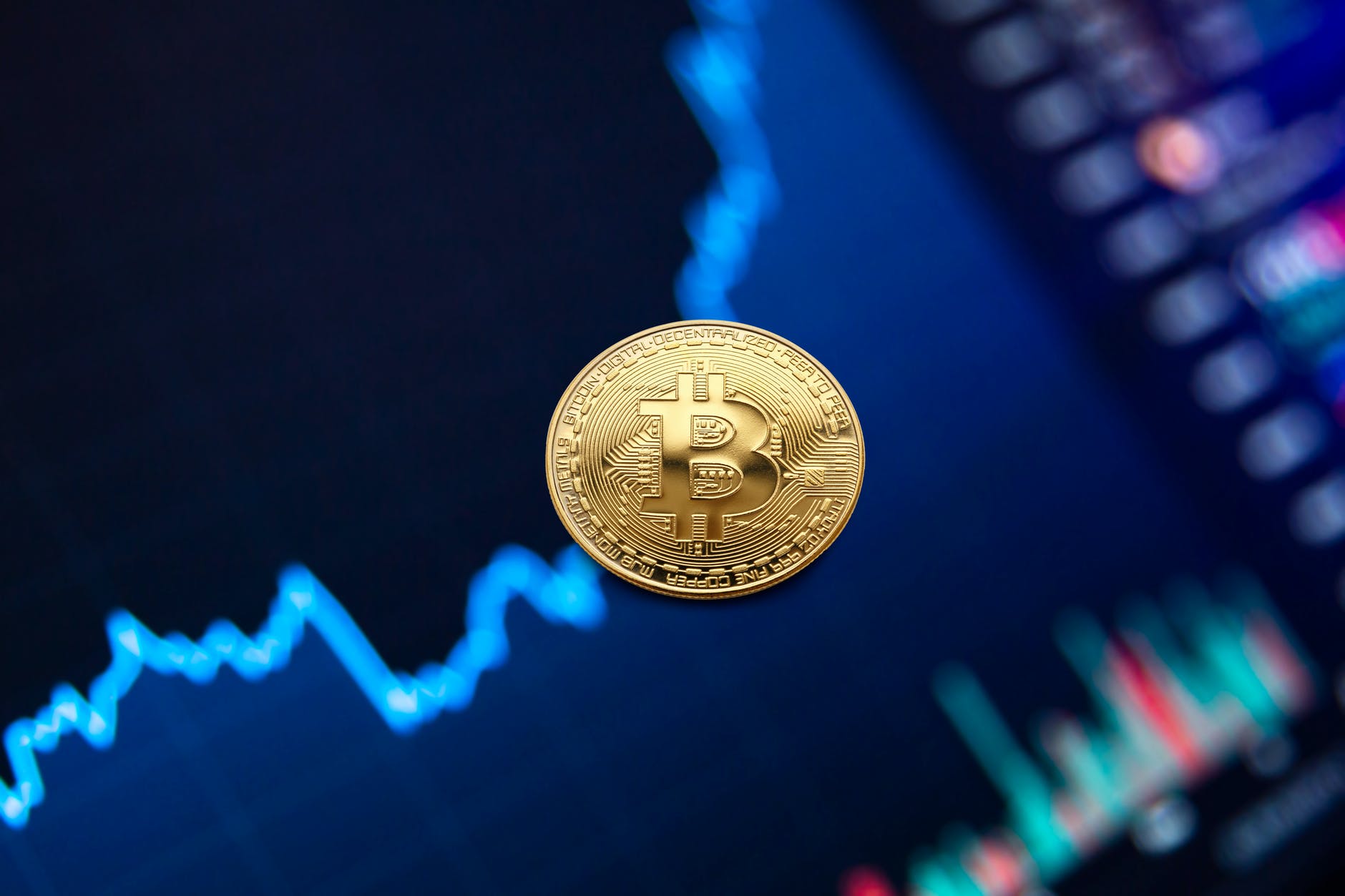
In a Wall Street Journal oped titled, Why Warren and Sanders Object to Crypto Rule, by Brian P. Brooks and Charles W. Calomiris, the authors, make a compelling argument for bringing the cryptocurrency sector into the supervised national banking system. Interestingly, while taking a jab at how risky the already regulated, supervised national banking system is. They theorize that the objection of staunch regulators like Senators Bernie Sanders and Elizabeth Warren to doing so is:
Here’s our theory: Crypto developers are trying to build a financial system where users have more control. In that system, credit is allocated by algorithms rather than loan officers, payments are settled instantly on blockchains rather than slowly inside the Federal Reserve, and customer funds are secured by cryptographic keys rather than by hackable debit-card PINs. A user-controlled financial system threatens the vision of a government-controlled system for which Sens. Warren and Sanders continue to advocate.
Why Warren and Sanders Object to Crypto Rules – WSJ: https://on.wsj.com/3CKD3uX
The authors go on to say that they agree with the current administration’s opinions on cryptocurrencies. And that the purpose of having a regulatory system is to “take risky financial activities for which there is high customer demand, and make them less risky.”
So, on the one hand, the system is not beyond risk, and regulations don’t eliminate, or for that matter, reduce risk — see 2008. And on the other hand, the system is there to help make these sectors “less risky.”
I read this as advocates for cryptocurrencies looking for legitimacy from the government. A legitimacy that would open the floodgates for major, “too big to fail” institutions to go wild with speculation and productizing for customers while hiding behind the safety net of the federal reserve.
For all the virtues and promises of decentralization, the cryptocurrency sector remains controlled by a very few. A few who will benefit immensely from the legitimacy regulation would lend it. The same few will have the funds and influence to use said regulation to lock out any potential newcomers or disruptors.
Perhaps banks and the federal reserve, in particular, may be taken out of the central role or, at a minimum, set to the sidelines. But all that data will need to run over something; those who control the network will control the economy.
Experiance
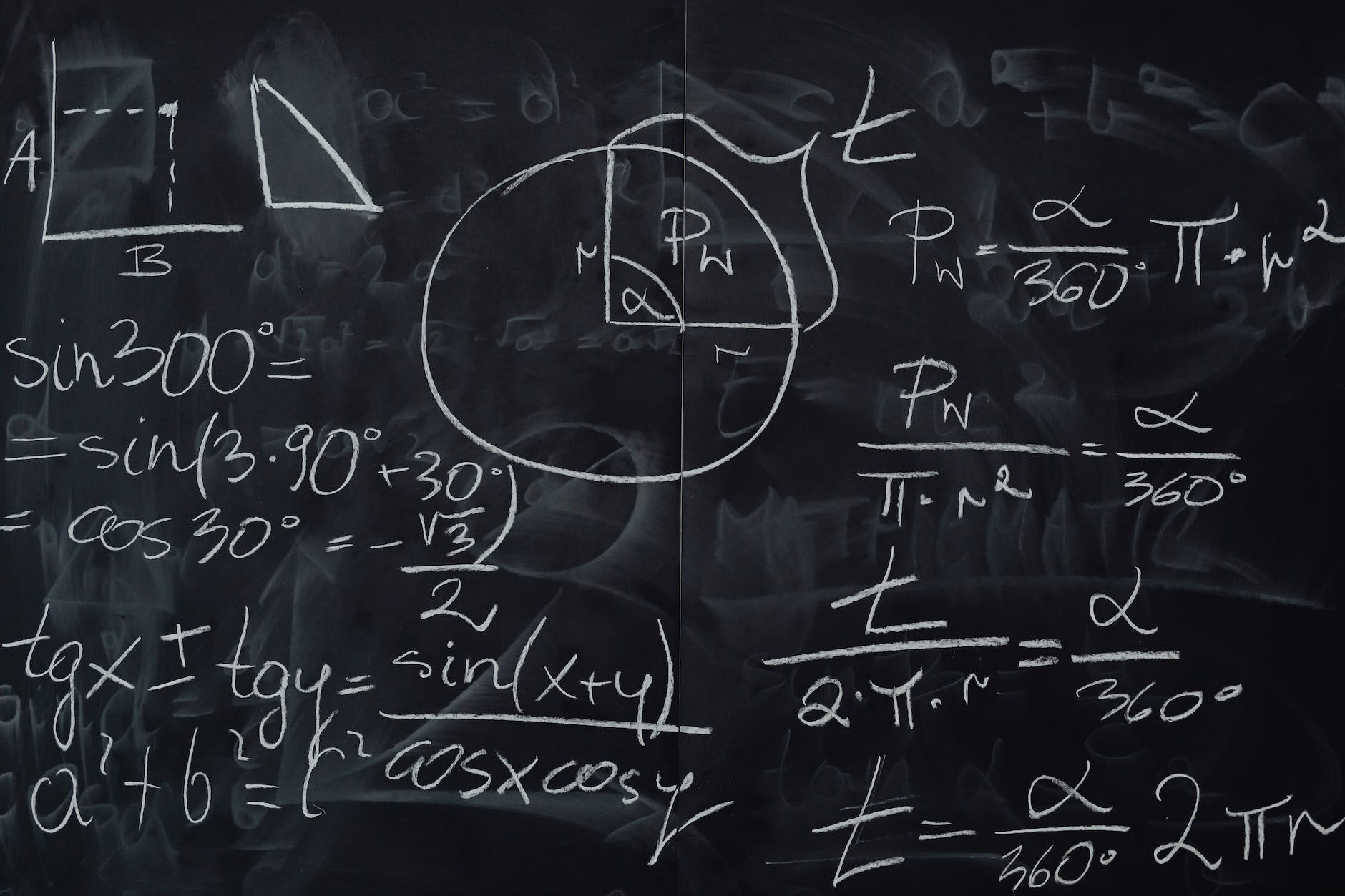
There is no compression algorithm for experience.
Andy Jassy, CEO Amazon
Hyperloop
I’ve been curious about how the hyperloop would work and found this video. Overall it makes a lot of sense and would make the world much smaller and more accessible. It’s unfortunate that bureaucracy will kill this before it ever gets started.
The video is from 2018, and while I suspect the pandemic put a lot of the momentum on hold, there are too many established industries at risk of disruption with technology like the hyperloop. Couple that with unimaginative policy and lawmakers, and you end up with pretty graphics and promises with no deliverable.
You can find Elon Musk’s whitepaper, Hyperloop Alpha, here.

Sync
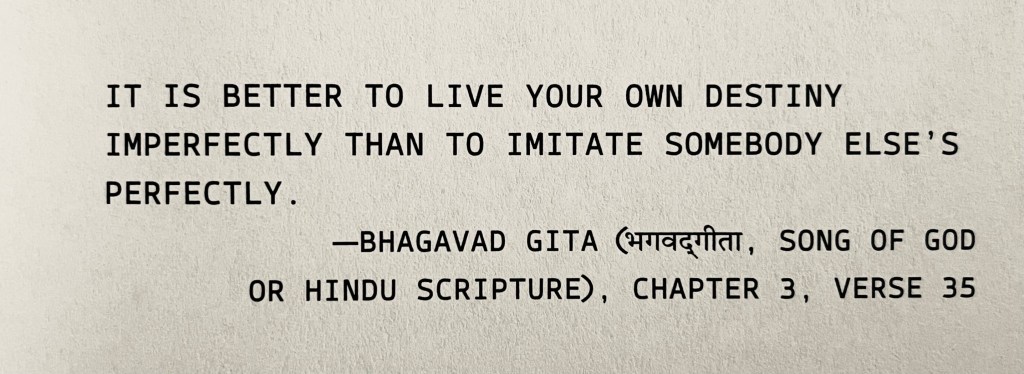
Sometimes your calling doesn’t sync with other people’s plans for you. Their plans don’t matter if they don’t sync with your calling.
Trial by Media
This episode of the Joe Rogan Experience really highlights how good an interviewer Rogan is. Over the last year, I’ve been catching up on his podcast, and now that I’ve caught up to his weekly schedule, it is enjoyable watching him finetune his craft. And when I have time to watch his podcast – via Spotify – on my 80″ tv, in my living room, the experience transcends into one where I feel like I’m sitting in the room with him and his guest.
Episode #1709 featuring Amanda Knox is funny, moving, and informative. I remember the trial by media of Knox, and to be honest, I hadn’t given her case much thought over the last 10 years – I was exhausted from the coverage, and I always felt I could never get an accurate account of what happened. I knew she had been acquitted, but I was unsure if she was acquitted cause she was innocent or got off on a technicality. She was innocent. It’s incredible how strong and resilient she is, and her story is powerful and a warning of how dangerous and destructive the power of the government – judicial, police, federal – is and the importance of staying vigilant and holding those who violate our rights accountable.
Quis custodiet ipsos custodes?
Who watches the watchmen?
In the case of Amanda Knox, no one did.
Wednesday’s Razor
No more things should be presumed to exist than are absolutely necessary. – William of Ockham
Loneliness

I moved to Miami back in March of this year. A big move. The result of the end of my marriage. I only knew two people in Miami at the time. So the move overall was hard given the drastic change in my home life, of which the hardest was leaving my 15-year-old daughter behind on the west coast — she was to live with her mom.
Its is a loneliness that manifest itself physically
Carolina
I can say that the most challenging part of the day for months was 5 pm through midnight. This time was the window right when work ended, and then there was nothing or no one. The loneliness was a loneliness I had never felt before. As someone I spoke to during that period brilliantly noted from her own experience, “It is a loneliness that manifests itself physically.” And it did. But the loneliness serves as a purification process for the soul, the mind, and the body. Introspection becomes an unwelcomed companion, and you have the choice to embrace it or reject it.
Months of introspection started to rebuild my sense of self. Fearing what I would find, I nonetheless proceeded forward — I had no choice. I can’t say I have arrived where I am going, but I am no longer bound by the chains of regret and hurt. And while the fear of the unknown always remains near, it has become more of an instrument than a blocker. A radar of sorts to help guide me on this journey. The more discomfort and fear, the more I know I should continue on the path and explore the whys of such feelings.
HS Thomson on Life

“Life should not be a journey to the grave with the intention of arriving safely in a pretty and well preserved body, but rather to skid in broadside in a cloud of smoke, thoroughly used up, totally worn out, and loudly proclaiming “Wow! What a Ride!” — Hunter S Thomson
Rounding Error

Every time someone asks, “Where were you on 9/11?” It feels like a deeply personal question has been asked. As if someone was asking something intimate, a secret. The thoughts and emotions of that day, and the days that followed, were deeply personal. A whole nation had to come to terms with our vulnerabilities – as a country and as individuals – in a way we never had. It was an attack on a collective with intensely personal experiences.
Some people talk of that day and can come off as if they want to be a part of it some much that they dig hard to find a personal connection with it. “Well, I knew a guy whose brother knew a guy whose sister dated a guy who went to kindergarten with a guy that saw the building collapse.” Or, “I would have been on that very flight 9 years earlier… can’t believe I could have died on that plane.”
It’s been twenty years, and many 9/11’s have come and gone. But this one, this twentieth year, has hit me like none before. Not sure why. I don’t care to relive that day nor to recount my story. I experienced that day, so many years back, to the fullest. And at the end of the day, my experience is nothing more than a rounding error on the scale of life.
Much has happened since that September morning. Slogans of defiance have been turned into clichés. Men who stood up to the task of leadership on that day have become parities of themselves.
Hero’s have been mythologized, and victims eulogized. The cause for justice politicized. And while our enemies were defeated, new ones have taken their place. We said we’d “never forget,” but we have.
Seems like every generation has moments that define them, Pearl Harbor, Vietnam, 9/11, COVID. Peel back each event, and it reminds us that no matter how public, how collective the experience, in the end, it is always a deeply personal and intimate experience. No slogan or retelling of those events will change that fact. These events have one thing in common, they shape us whether we like it or not. We have as much control over their effects on us as we do of the events themselves. And that shaping of us is deeply personal, intimate.
Twenty years. Once experience. A rounding error on the scale of life.
 CYBERTONIA